Two Countries, One Life: Why Canadian Snowbirds Need a Cross-Border Legacy Plan
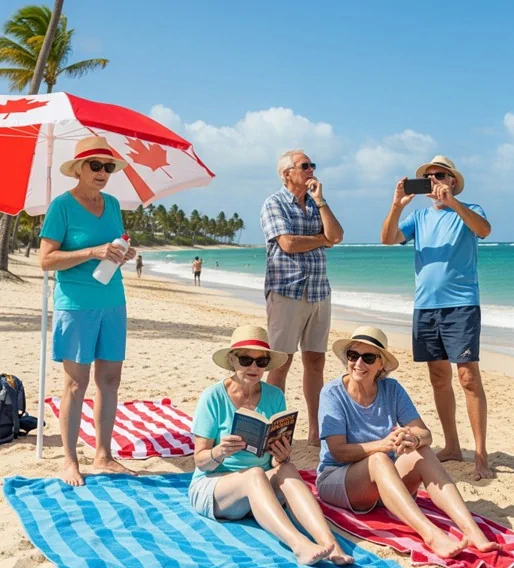
Yes many Canadian snowbirds are still heading south for the winter in 2025-2026, though lower numbers than previous years due to political, economic and new stricter US border security regulations. While some are opting for alternative, warmer destinations, thousands still travel to the US for their established homes, friends, and the climate.
Snowbird retirement living offers freedom, sunshine, and the opportunity to enjoy warmer months in places like Florida, Arizona, and other southern destinations while maintaining strong Canadian roots.
But living part of the year in another country also creates a unique challenge: what happens if something unexpected occurs while you are away from home?
When your life spans two countries, your planning system should as well.
For Canadian snowbirds, organizing important personal information is not just about estate planning. It is about protecting your family from confusion, delays, and unnecessary stress during difficult moments.
This is where a secure digital legacy online platform like Life After Me can help provide clarity and peace of mind.
The Snowbird Lifestyle: Freedom With Added Complexity
Canadian snowbirds enjoy one of the most attractive retirement lifestyles available. Splitting time between Canada, the US or other southern destinations allows retirees to experience warmer climates while staying connected to family, healthcare systems, and financial networks at home.
However, cross-border living often means managing information across multiple systems.
Many snowbirds maintain:
Canadian healthcare coverage and travel insurance
U.S. medical or emergency coverage
Property or rental arrangements in one or both countries
Financial accounts across borders
Travel documents such as passports, visa records, or NEXUS identification
Contact information for advisors, lawyers, and family members
Over time, these details tend to become scattered across emails, devices, and physical filing systems.
When family members need information quickly, searching through disconnected records can become overwhelming.
What Happens If an Emergency Occurs While You Are in the United States or Beyond?
This is the question many snowbirds worry about but rarely discuss openly.
If a medical or personal emergency happens while travelling, your family may need to act quickly across international borders.
Some of the most common challenges include locating medical insurance information, identifying emergency contacts, and finding legal or financial documents.
U.S. healthcare providers may require proof of coverage or medical history details. Without easily accessible information, delays can occur during already stressful situations.
Families may also need to locate estate documents, power of attorney instructions, insurance policies, or banking information. If these records are stored in different places, the process can become emotionally and logistically difficult.
Planning ahead helps ensure your loved ones know where to find the information they need.
The Cross-Border Planning Myth
Many Canadians assume their Canadian will automatically covers everything they own.
While wills are important components of estate planning, cross-border assets can sometimes involve additional administrative steps depending on jurisdictional requirements.
The goal of legacy organization is not to create fear or complexity. Instead, it is to reduce uncertainty for families who may already be dealing with emotional stress.
Why Digital Legacy Organization Matters for Snowbirds
Paper files alone are often not enough in modern cross-border living.
A secure digital legacy system allows you to bring essential information into one accessible location.
With a platform designed for Canadians, individuals can securely store:
Personal and financial documents
Travel and identification records
Insurance and healthcare information
Digital asset instructions
Family contact information
Personal messages or final wishes
The purpose is simple: helping loved ones avoid searching through scattered files when they need information most.
Driving South for the Winter? Think About Accessibility
Many snowbirds travel long distances by road each year.
If something were to happen during travel, it is important that emergency information can be accessed quickly by trusted family members or appointees.
Ask yourself:
Would my family know where my important documents are stored?
Are my emergency contacts clearly listed?
Can travel insurance details be found quickly?
Are my healthcare preferences documented?
Legacy planning is not about expecting the worst. It is about reducing uncertainty for the people who matter most.
Protecting Your Canadian Identity While Living Abroad
Many snowbirds maintain strong Canadian financial, social, and community ties even while spending part of the year in the United States or beyond.
Important considerations may include:
Provincial healthcare rules related to extended travel
Canadian banking and investment records
Property ownership documentation
Pension and retirement benefit information
Organizing these details helps ensure continuity whether you are in Canada or travelling internationally.
Emotional Legacy Matters Too
Legacy planning is not only about paperwork.
Many families also want to preserve memories, stories, and personal messages.
Snowbird retirees may choose to store:
Family photographs
Written or recorded messages to loved ones
Life stories and personal reflections
Instructions that express values and wishes
These elements often provide comfort to families during difficult transitions.
Data Security and Privacy for Canadian Users
Privacy protection is a priority for Canadian individuals and professionals.
Digital legacy platforms should support strong encryption and responsible data stewardship.
Life After Me stores encrypted information hosted in Canada, supporting Canadian privacy expectations and data residency preferences so your information remains protected close to home.
Who Should Consider Cross-Border Legacy Planning?
Canadian snowbirds, retirees, and frequent travellers may benefit from organizing their legacy information if they:
Spend extended winters in the United States
Own property in more than one country
Maintain financial accounts across borders
Travel frequently for long periods
Want to reduce the administrative burden on family members
Planning Is Protection, Not Fear
Legacy organization is sometimes avoided because it can feel emotionally difficult to start.
But preparation is not about anticipating something negative.
It is about giving your family clarity, direction, and confidence if they ever need it.
Canadian snowbirds work hard to build the lifestyle they enjoy in retirement. Organizing legacy information is one way to help protect that life for the future.
Start Organizing Your Cross-Border Legacy Today
If you split your time between Canada and the United States or beyond, consider placing your important information in one secure and accessible location.
Life can change quickly.
Having your documents, wishes, and digital assets organized can help reduce stress and uncertainty for your family.
Learn more about how Life After Me supports Canadians living cross-border by visiting lifeafterme.ca.